
Mobile apps that turn customers into regulars
We design and build iOS, Android, and cross-platform apps for startups, growing businesses, and established brands who want a direct line to their customers, not just another tab in a browser.
A website is your storefront. An app is your living room.
A website is where customers first discover your business. An app is where they return. When someone downloads your app, your brand becomes part of their daily routine, sitting right on their phone. That shift builds a stronger, more direct relationship than a website ever can.
A website is found through search, visited occasionally, and offers mostly one-way information that loads only when there's signal. An app lives on the home screen, gets opened multiple times a week, talks back through push notifications, taps into the camera, GPS, and biometrics, and keeps working offline. It's a direct channel you own.

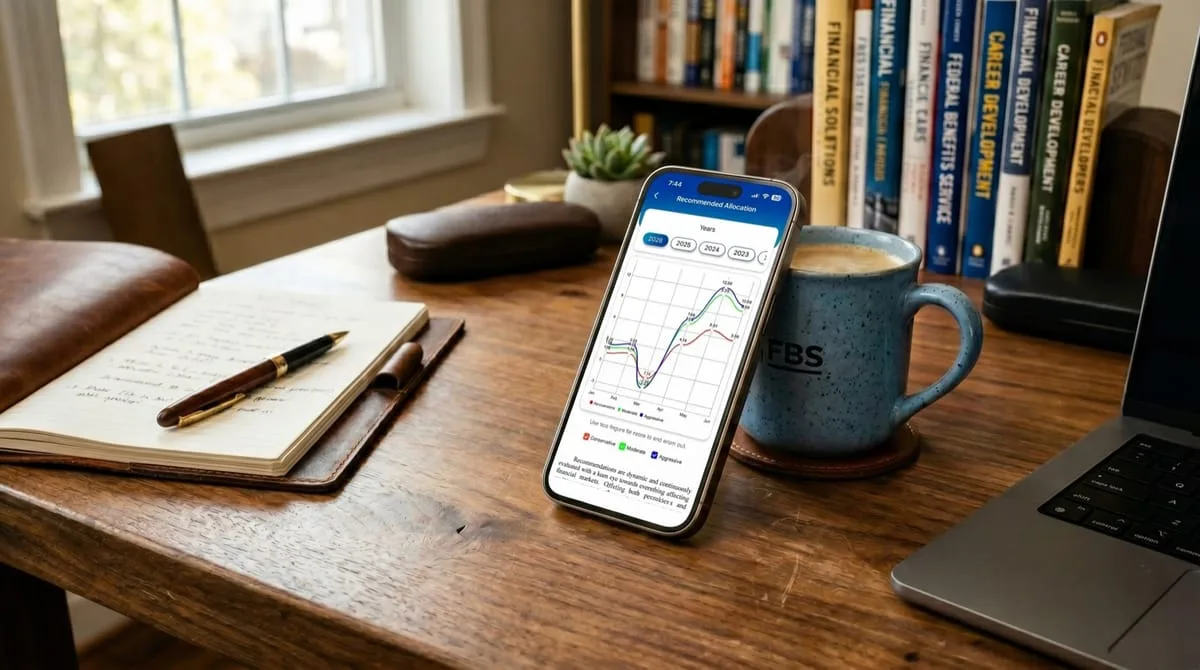
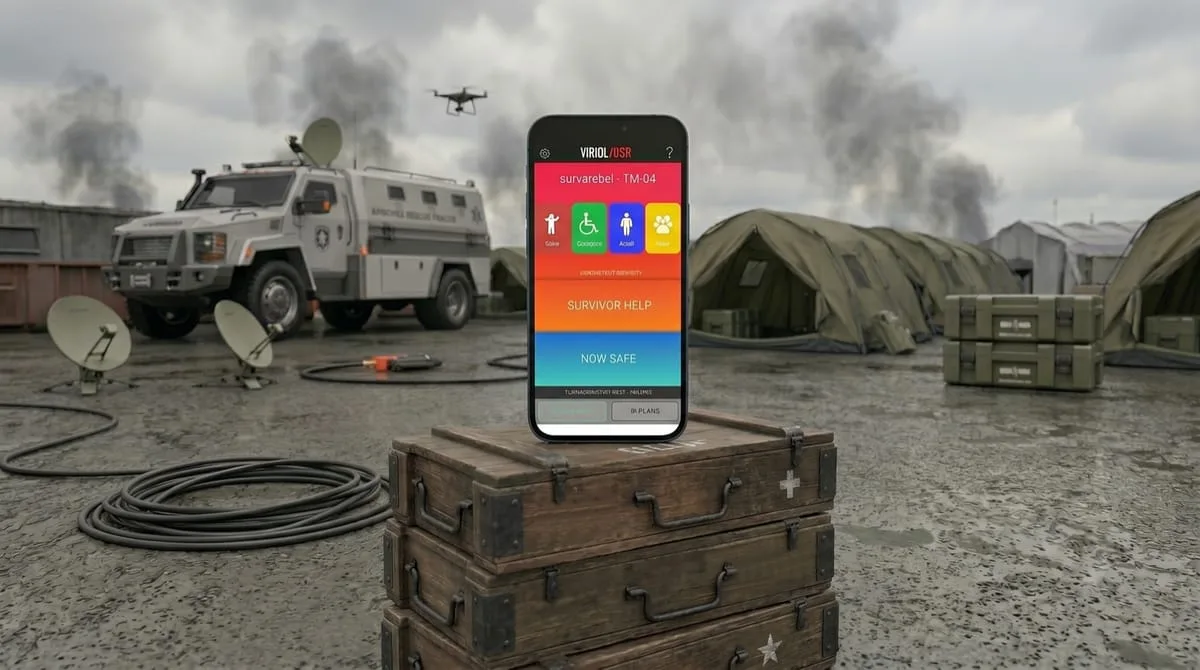
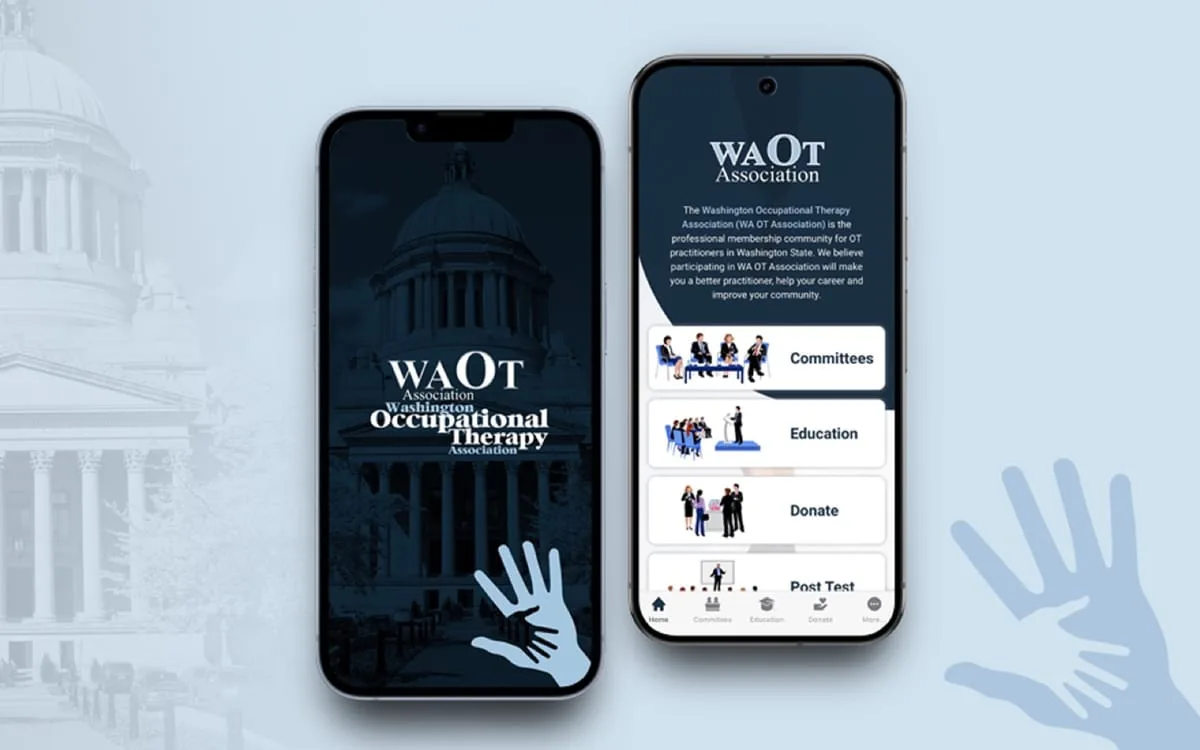
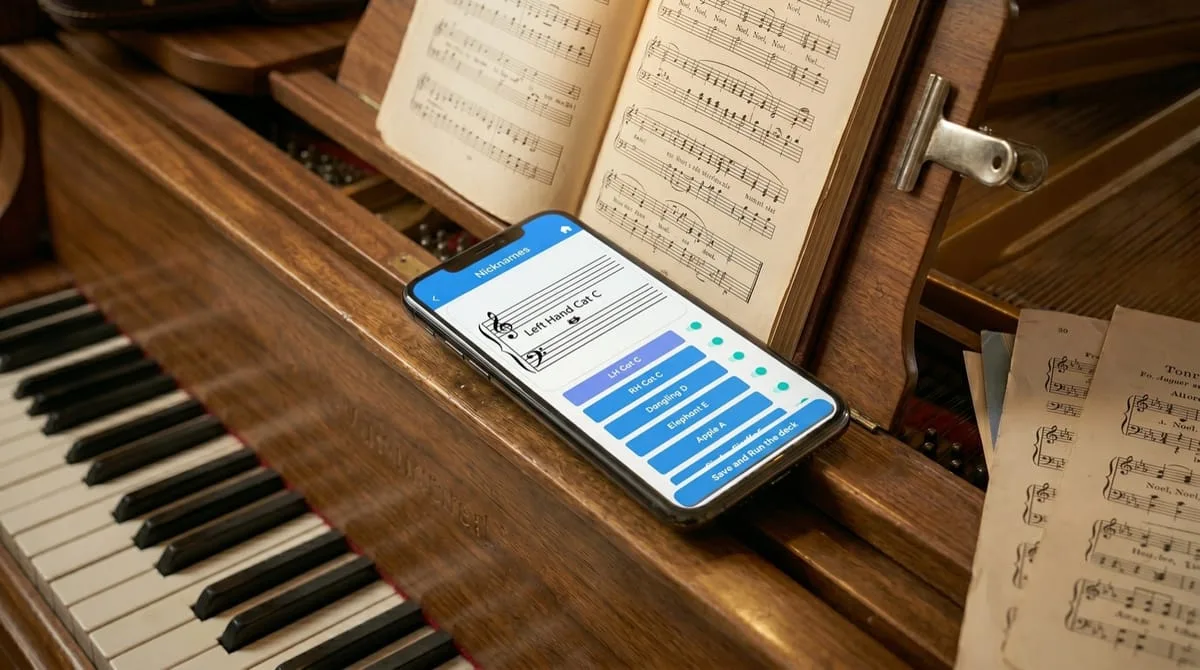
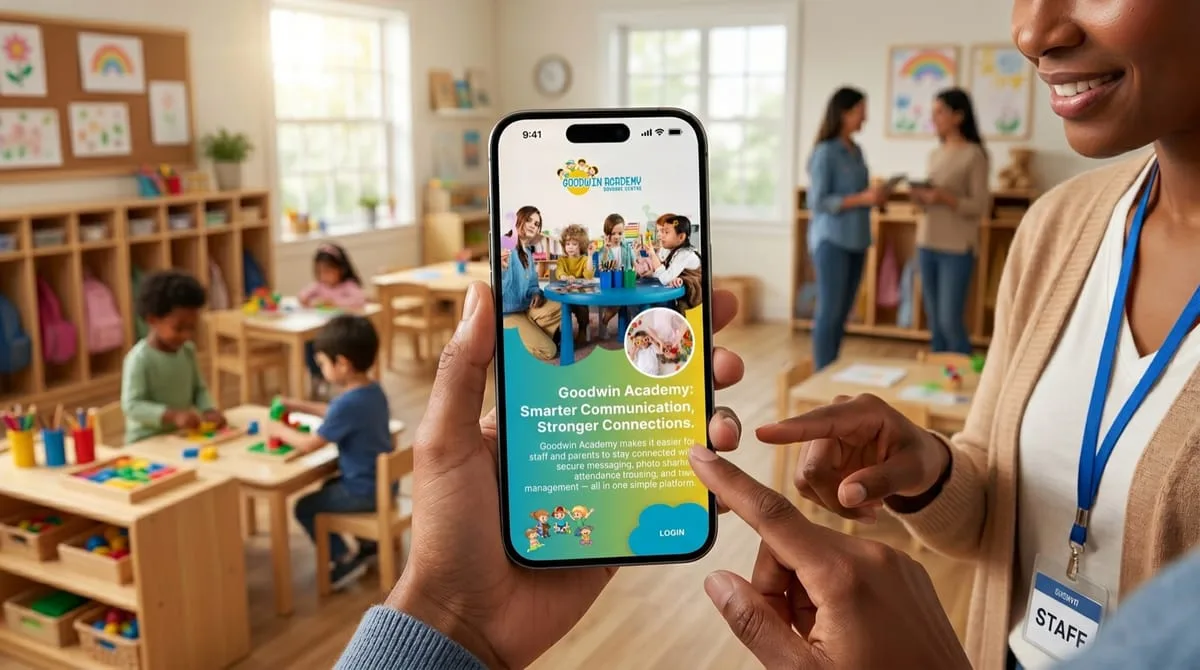
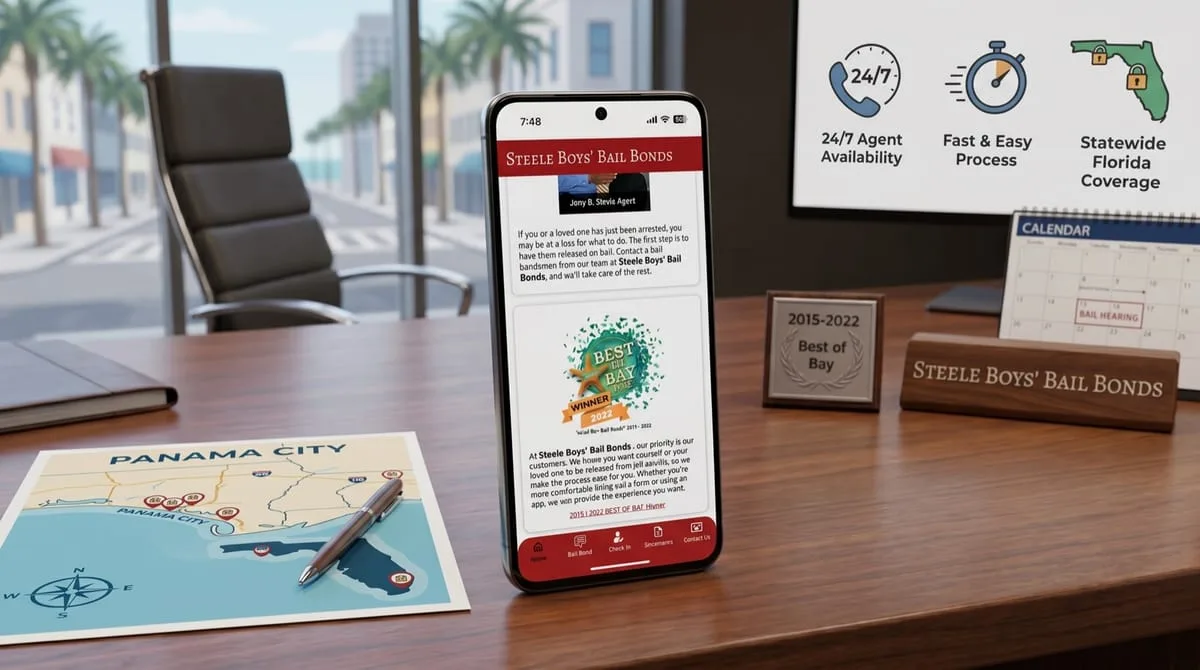



We build apps that fit your stage and drive real results
Whether you're just starting out, serving your local community, or leading your industry, the right app meets you where you are right now.
Startups & founders
You arrive with an idea and a deadline. We turn it into a clickable prototype in weeks, then build a focused MVP that proves the concept fast without burning the whole budget on version one.
Small businesses
Customers visit once and forget to come back. We build a daily-use branded app with loyalty, booking, or ordering, and wire it into the systems you already run so it earns its keep.
Established companies
The current experience feels dated and competitors are gaining ground. We ship a modern app, upgrade you without disrupting the business, and turn existing customers into advocates.
What we build, how we build it, and what we build it with
-
Discovery and strategy
Before a single line of code, we map the user journey, the business case, and the technical path. On most projects we save you money in this phase alone.
-
UX and UI design
Interfaces that feel obvious to use and look like they belong in your customer's life. Designed in Figma, prototyped clickable, validated before we build.
-
iOS app development
Native iOS apps built in Swift, optimized for every iPhone and iPad and ready for App Store submission.
-
Android app development
Native Android apps built in Kotlin, tested across the wide spectrum of Android devices your real customers actually use.
-
Cross-platform development
One codebase, both stores. Built in React Native or Flutter when it's the right call, and we'll tell you when it isn't.
-
AI features that earn their place
Smart search, personalized recommendations, in-app assistants, image and document recognition. We add AI when it solves a real user problem, not because it's a buzzword.
-
Quality assurance and testing
Real-device testing, automated test suites, and beta releases before launch, so the App Store reviews start at five stars and stay there.
-
App store launch and ongoing support
We handle App Store and Google Play submission, ASO basics, and the work that keeps your app secure and compatible as iOS and Android evolve.
Apps that pay for themselves, by industry
Some businesses see a return within months. Here's what we build for them, and why each one works.
Healthcare & telehealth
From DFW hospital networks to telehealth startups nationwide: patient portals, medication reminders, HIPAA-compliant messaging, and remote monitoring that earn provider trust and patient loyalty.
Restaurants & food service
From Austin's restaurant scene to multi-location chains across the country: order-ahead, loyalty rewards, table reservations, and delivery tracking that turn occasional diners into weekly regulars.
Energy, oil & gas
Built for Houston's energy industry and the field teams that run it: equipment monitoring, safety reporting, geo-tagged inspections, and offline-first workflows that keep working with no signal.
Fitness, wellness & coaching
Workout tracking, class booking, progress dashboards, and live coaching tools that keep members engaged between sessions.
Retail & e-commerce
Mobile shopping with saved carts, biometric checkout, push-notification flash sales, and AR product previews.
Real estate & property
Across Texas's fast-moving real estate markets and beyond: listings with location-aware search, virtual tours, agent messaging, and document signing in one tap.
Education & e-learning
Course delivery, offline lesson access, parent-teacher communication, and progress tracking that work on any device.
Field services & logistics
Job dispatching, route optimization, photo capture, signature capture, and offline-first workflows for teams in the field.
From first sketch to a five-star launch
A straight line from the idea to an app in both stores. Your time stays light: about an hour for the discovery call, a couple of review rounds, and weekly demo builds you can install on your phone.
- 01
Discovery and strategy
We map the user journey, the business case, and the technical path before anyone writes code. This is where we save you the most money.
- 02
Design and prototype
Interfaces designed in Figma and stitched into a clickable prototype, validated with real people before the build begins.
- 03
Build
Native iOS in Swift, native Android in Kotlin, or one cross-platform codebase in React Native or Flutter when that's the right call.
- 04
Test
Real-device testing, automated suites, and beta releases so the bugs are caught before your customers ever see them.
- 05
Launch
We handle App Store and Google Play submission, ASO basics, and the first-week watch to make sure the rollout goes smoothly.
- 06
Support
Affordable monthly plans keep the app patched, secure, and compatible as iOS and Android release new versions every year.
Frequently asked questions
A website and an app do different jobs. A website is for visitors who don't know you yet. An app is for the customers who already do and who you want to come back. If your business depends on repeat visits, bookings, or a direct relationship with your customers, an app pays for itself. If you mostly need to be found in Google search results, a website might be enough. We'll tell you honestly which one you need on the first call.
It depends on what the app does. A focused MVP for a startup typically lands between $20,000 and $60,000. A full production app for an established business is usually $60,000 to $150,000. Apps with complex backends, multiple user roles, or heavy AI features can go higher. You get a written, fixed-scope quote before any work starts, not estimates that creep upward.
A simple app runs 8 to 12 weeks. A medium-complexity app runs 3 to 6 months. A complex platform runs 6 to 12 months. We'll give you a realistic timeline tied to your actual scope on the discovery call.
Most of our clients launch on both. Cross-platform tools like React Native and Flutter let us build one codebase that runs on both stores, which keeps cost reasonable. If your customers are mostly on iPhones (US-based, premium audiences) or mostly on Android (global, value-conscious audiences), starting with one is a smart way to validate before expanding.
Yes, always. Every line of code, every design file, every credential is yours. We give you a complete handoff at launch and the right to take everything to another developer if you ever choose to.
Apps need updates. iOS and Android release new operating systems every year, and your app needs to keep up. We offer affordable monthly maintenance plans that cover OS updates, security patches, bug fixes, and small improvements. You can also bring us in just for major changes. No monthly commitment required.
Yes, and it's what we love most. Our discovery process is designed for exactly this. We'll help you pressure-test the idea, identify what to build first to validate it, and tell you honestly if we think it'll work. Sometimes we tell people not to build the app they came in for. We'd rather lose a project than build something we know won't succeed.
Often, yes. We run code audits to see what we're working with and tell you honestly whether it makes sense to continue, refactor, or rebuild. We'll never tell you to rebuild for the sake of rebuilding.
If you're in Texas, we can do in-person meetings whenever they help: kickoff workshops in Dallas, working sessions in Houston, lunch in Austin. It's part of why having a Texas headquarters matters for clients who want a local partner. If you're outside Texas or outside the US, we work the way most modern teams do: video calls, shared docs, and weekly demo builds you can install on your phone. The outcomes are the same either way.
The discovery call. It's free, it's about an hour, and you'll come away with a clearer picture of what to build and what it'll cost, whether you hire us or not.
What clients say about working with us



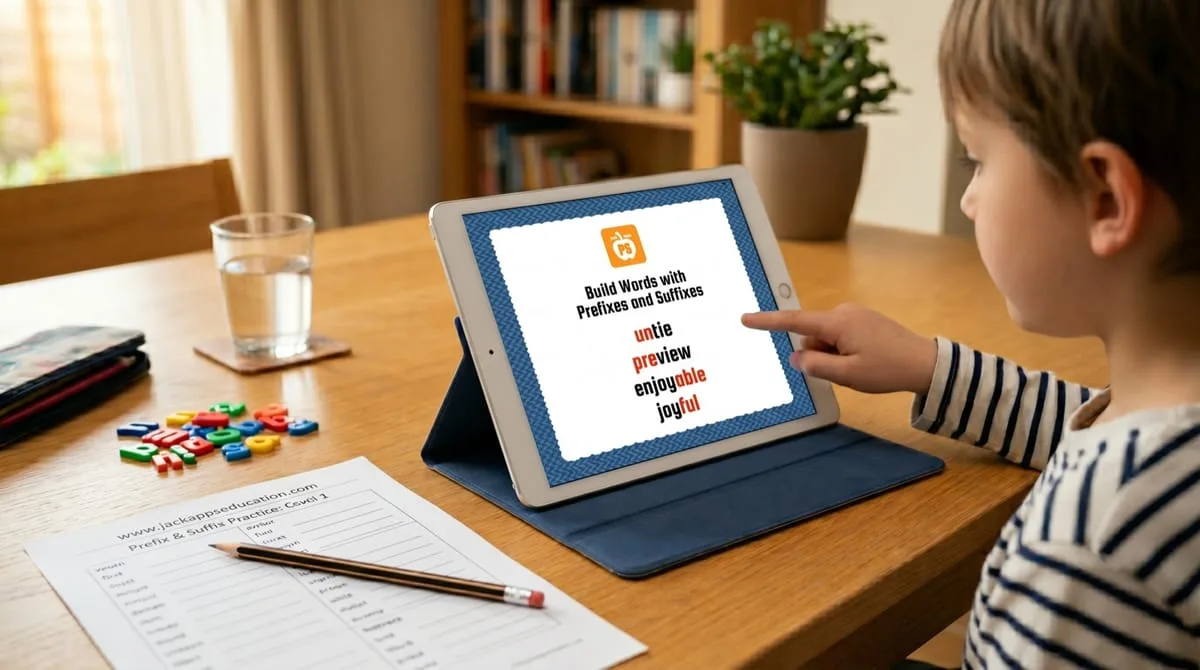
Our company, Jack Apps Education, makes products for diverse English Language Learners. We have relied on OgreLogic to create apps to accompany our products, and they have provided the expertise we needed, along with a great deal of patience.
I worked with OgreLogic on the development of my new website and to outline two future app-based technology projects. I was very impressed with how seamlessly they worked with me and I would highly recommend them.
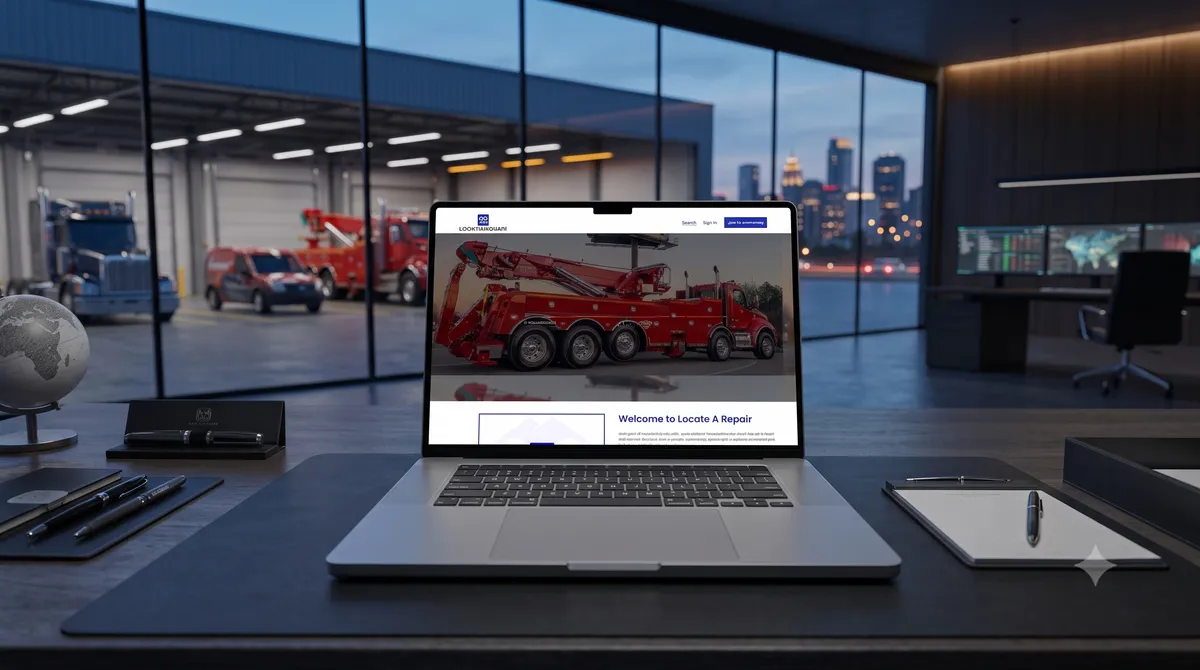
OgreLogic has done a tremendous job with my client's website redesign, mobile app development, and ongoing maintenance. I couldn't be more pleased with a third-party vendor. All timelines and deliverables have been met on time and as promised.
From the blog
Related reading from our blog
Website Redesign Checklist: What to Do Before You Start
A practical website redesign checklist: the goals, content, SEO, and technical steps to settle before design begins, so the new site beats the old one.

Magento vs Shopify: A Practical Comparison for 2026
Magento vs Shopify compared on cost, scale, customization, and who each one is really for. A practical guide to choosing the right enterprise e-commerce platform.
WooCommerce vs Shopify: Which Is Right for Your Store?
WooCommerce vs Shopify compared on what actually decides it: who maintains the store, real costs, and the trade-offs each platform forces on you.